01
CGI & Product Visualization
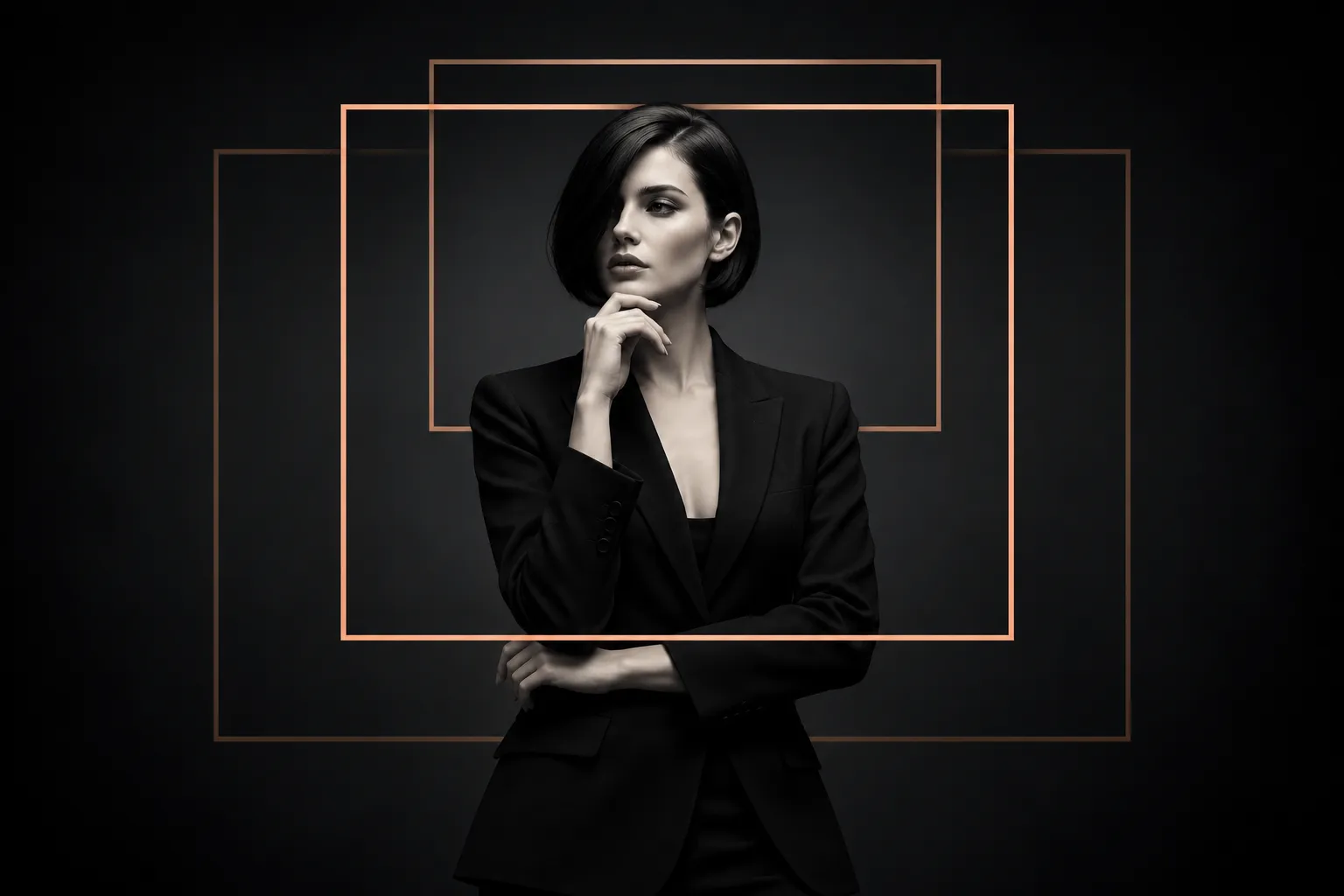
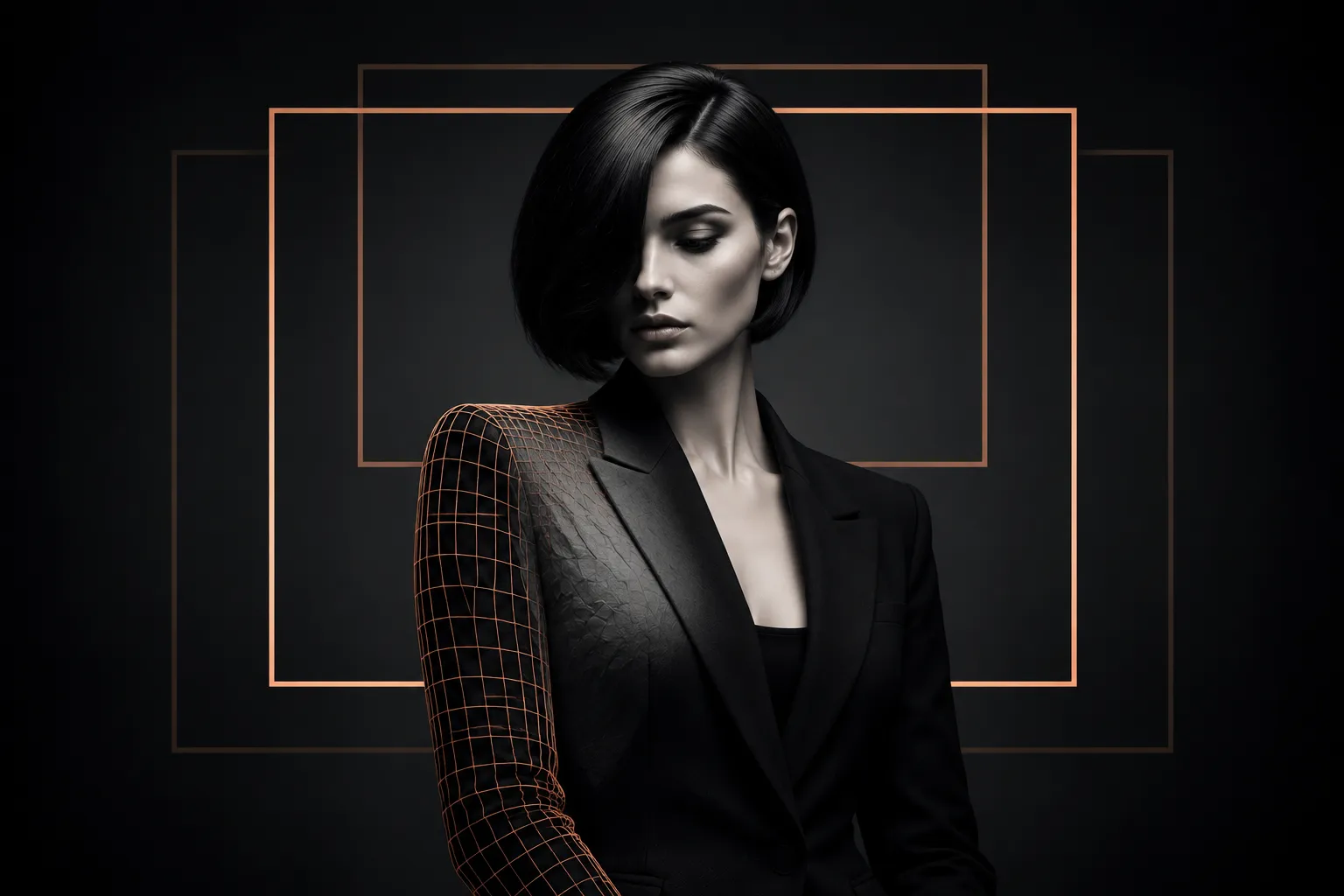
Campaign imagery, key visuals and launch worlds, with camera, light and material directed around what the product has to communicate.

Direction meets craft
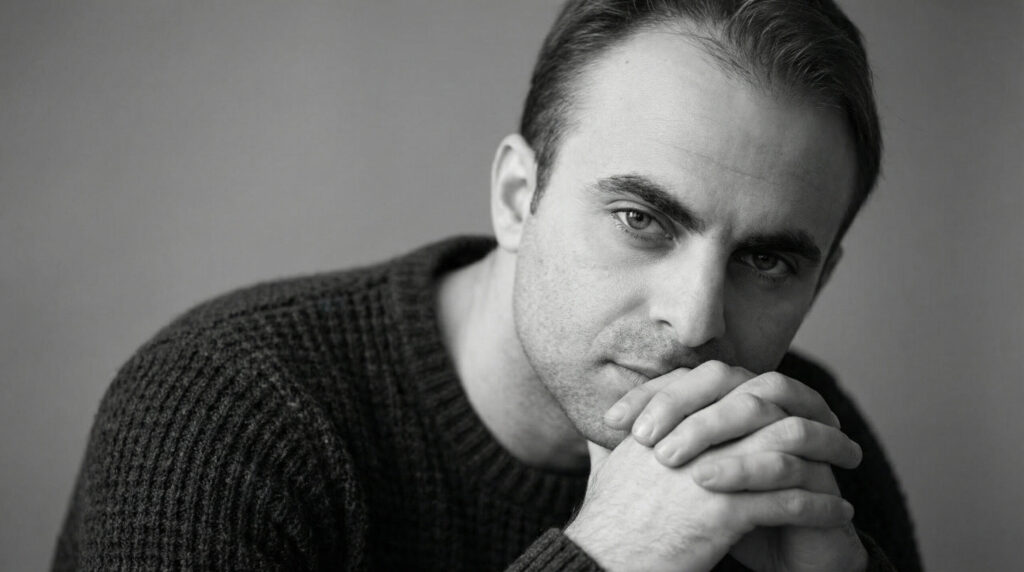
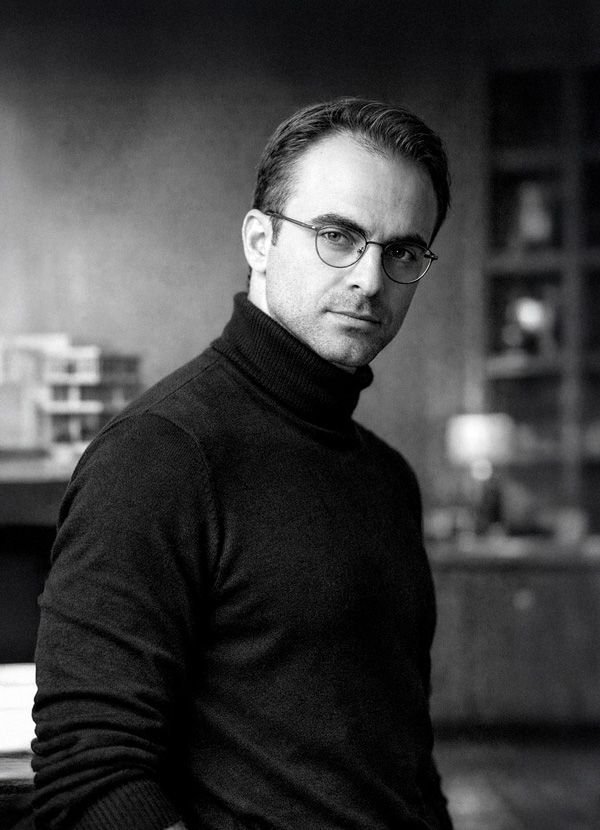
I’m Mustafa Werekia, an Art Director & 3D Generalist working across art direction, CGI, brand visualization and motion.
My practice connects visual thinking with hands-on production, developing ideas from early concept and visual direction through design, 3D, motion and final execution.
With more than 15 years across design and visual production, my work has evolved through different disciplines, technologies and ways of making. What began with creating individual visual pieces gradually became an interest in something broader:
the complete visual world surrounding an idea.
today, I work at that intersection, Between thinking and making, Between direction and execution, Between the idea and the experience it eventually becomes.
My background spans graphic design, brand communication, advertising, CGI, product visualization, architectural visualization, motion and multidisciplinary visual production.
Each discipline changed the way I think.
Design taught me to think in systems.
It taught me that typography, composition, hierarchy and identity need to work together rather than compete for attention.
3D taught me to think through space, material and light.
It introduced a different kind of control camera, proportion, surface, atmosphere and the relationship between an object and the environment around it.
Motion introduced time, rhythm and transformation.
A visual no longer had to communicate everything in one frame. It could reveal, change, build tension and create an experience over time.
Production taught me what it takes to turn an idea into something real.
And Art Direction connects those experiences into a coherent point of view.
Rather than treating each discipline as a separate service, I see them as different tools for solving the same fundamental question:
I believe strong visual work begins before the software opens, A technically polished image can still be the wrong image.
Before choosing the renderer, lens, material, animation technique or production workflow, I want to understand:
what the work needs to communicate?
What should the viewer notice first?
What should they feel?
What should remain in memory after the image disappears?
Those questions influence everything that follows:
composition, typography, colour, material, lighting, camera, scale, movement and sound.
For me, Art Direction is not a decorative layer applied after production, It is the discipline that gives production a reason.
The practice
The work spans CGI, product visualization, motion, brand systems and selected architectural visualization, held together by one principle: the visual idea should remain coherent from the first concept to the final frame.
The first question on a brief is what the work has to communicate, not how to make it impressive. Camera, light, material and composition are decisions about hierarchy: what a viewer notices first, second, and not at all. Once that hierarchy is settled, detail and finish have something to serve.
Range is only useful when disciplines reinforce one another. Identity logic shapes how a product is framed and lit. Motion extends a visual system rather than reinterpreting it. Working across these areas means fewer handovers where intent is lost.
Design taught me to think in systems.
3D taught me to think through space, material and light. Motion introduced time, rhythm and transformation. Production taught me what it takes to turn an idea into something real.
Art Direction connects those experiences into a coherent point of view.
01
Campaign imagery, key visuals and launch worlds, with camera, light and material directed around what the product has to communicate.
02
Reveal, rhythm and spatial illusion designed for the screen, the space and the viewer's position, from styleframe to calibrated master.
03
Identity systems built to hold at every scale, and brand worlds where identity, CGI and motion share one visual logic.
04
For briefs that span disciplines and need a senior partner connecting direction and production, from the first styleframe to the delivered file.
One idea. One visual language. Every detail aligned.
Ideas before execution
It means understanding the brief, identifying what matters, defining a point of view and establishing the visual rules that will guide the work.
Research, references, mood, composition, colour, typography, camera and narrative all become part of one intentional direction.
Ideas need the right execution
My background in CGI and multidisciplinary production keeps creative decisions connected to how the work will actually be made.
Modelling, materials, lighting, look development, animation, motion, compositing and finishing are not separate from the creative idea.
They are the craft through which that idea becomes tangible.
The strongest ideas extend beyond one image
An idea may need to live across a campaign, product launch, film, identity, digital platform, physical environment or screen-based experience.
My interest is in creating enough visual logic that those different outputs feel like parts of the same world.
That is where direction and craft come together.
What agencies and brands usually ask before a first call.
Art direction and 3D production across CGI and product visualization, motion and anamorphic 3D, and brand identity. Architectural visualization is taken on selectively. The common thread is a brief that benefits from one visual point of view carried through to delivery.
Yes. Some assignments need one person to lead a defined scope. Others need senior judgement inside an existing team, working to your client relationship, review rhythm and delivery standards. Both are normal here.
Pricing is scope-dependent. It follows the deliverables, the stage the project is at, the timeline and the complexity. Share what the work has to achieve and where it will appear, and I will come back with a scoped proposal.
Where an agreement requires it, work stays confidential or white-label, and it stays that way across this site, social channels and image metadata.
Yes. I am based in Dubai and work internationally. A clear brief and an agreed review rhythm matter more than time zones.