Why Photorealism Alone Is Not Enough
Photorealism can make an image believable. It cannot decide what the image should mean. The strongest CGI goes beyond physical accuracy by controlling perception, hierarchy, atmosphere and visual character.
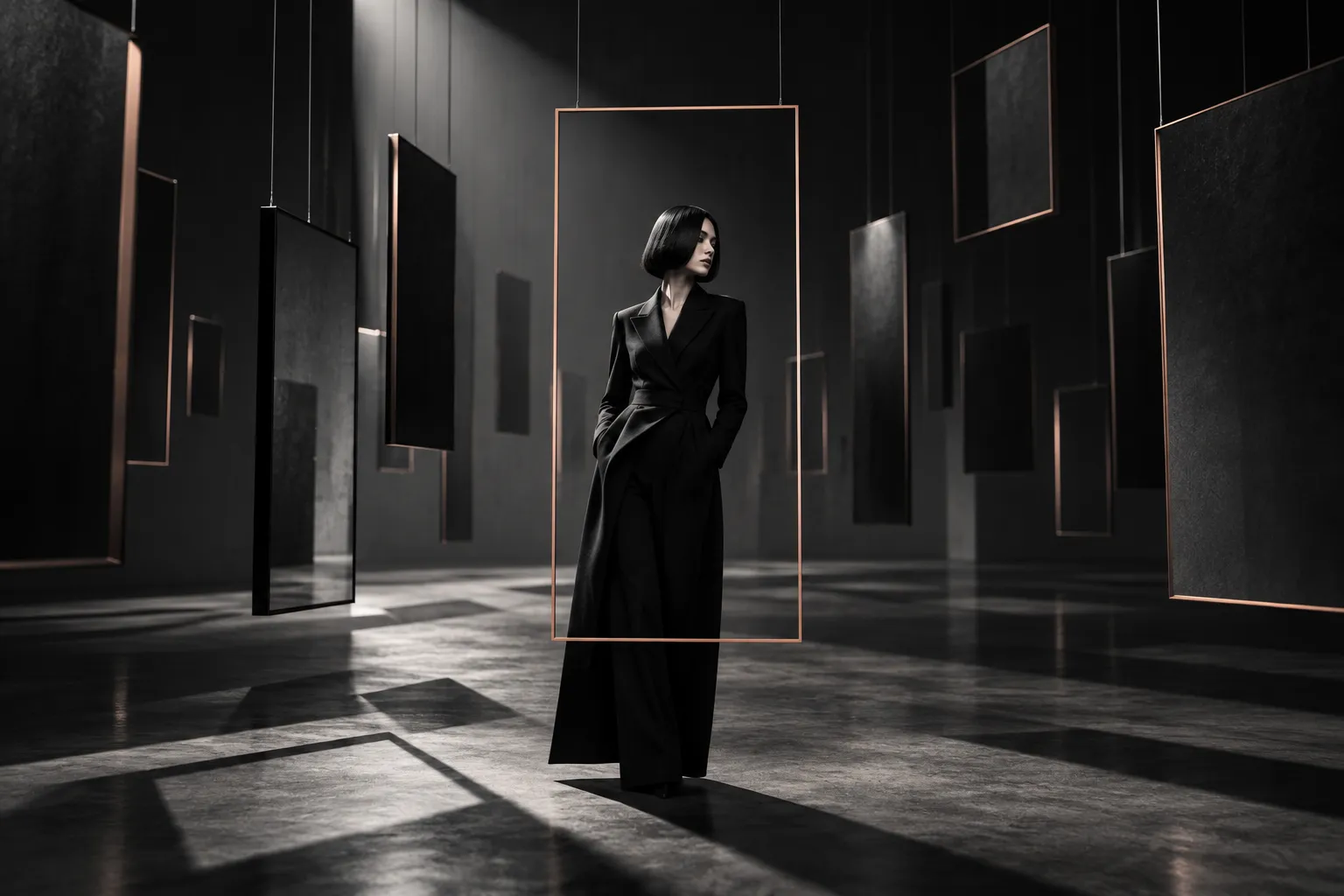
The short answerPhotorealism in CGI solves credibility: materials, light and scale the viewer believes. It does not decide what the image means, where the eye goes or what character the subject has. Those come from selection, hierarchy, a camera and light with something to say, chosen imperfection and the brand’s own version of reality. Photorealism creates credibility; art direction decides what that credibility is used to communicate.
Photorealism is easy to admire because its achievement is immediately visible. The materials look right, the light behaves, the reflections make sense, and the render could almost pass for a photograph. All of that demonstrates craft.
But realism creates an interesting problem. Once an image is technically believable, what happens next? A perfectly realistic image can still feel generic. It can be physically accurate and emotionally flat, reproducing the world convincingly without giving anyone a reason to care.
That is the point where photorealism stops being the objective and becomes a foundation. For me, the useful question about photorealism in CGI is no longer whether it can reproduce reality; it clearly can. It is what to do with that credibility once it exists.
Mustafa WerekiaArt Director & 3D Generalist
Real is not the same as meaningful
Reality is full of visual information, and not all of it is useful. A real environment holds competing reflections, accidental textures, clutter, imperfect light, distracting objects and uncontrolled colour, simply because the world is complex. A camera records much of that. Art direction does not have to.
This is one of the quiet advantages of CGI. The aim does not need to be a perfect simulation of everything that would physically exist; it can be a selective construction of what the image needs. A material may technically call for many small imperfections, but if they weaken its refinement, accuracy is working against the communication. A realistic environment may suggest more objects, but if they pull attention from the subject, they do not belong in the frame. A reflection can be physically correct and still damage the silhouette.
The strongest images do not always contain more reality. Sometimes they contain the right reality.
Photorealism solves credibility, not hierarchy
A viewer needs to believe an image before some kinds of visual communication can work, especially in product visualization. Materials have to behave plausibly, scale has to feel convincing, light has to support the geometry and objects need physical presence. Photorealism is valuable because it establishes that credibility.
But credibility does not tell the viewer where to look. Hierarchy does. Picture a beautifully rendered object surrounded by equally detailed architecture, active reflections, complex textures, volumetric light, decorative graphics and several points of contrast. Every element may be technically excellent, and the image can still be weak. The problem is not realism. It is competition.
Art direction decides what dominates, what supports and what disappears; where contrast belongs, where detail is useful and where the eye can rest. That is why a technically simpler render can leave a stronger impression than a more sophisticated one: it understands priority better. A perfect render can be admired and forgotten in the same moment. The response worth aiming for is less “that looks real” than “I remember that”.
Camera and light still have to say something
If photorealism were enough, choosing a camera would mostly mean finding the most physically convincing view. But a realistic object can be seen from countless angles, and only a few carry the right character. A longer focal length compresses space and brings calm; a wider one adds energy or exaggerates scale. Central symmetry reads as precision, an off-axis frame creates tension, and generous negative space can make a subject feel more exclusive. Every one of these frames can be completely photoreal. The difference is not realism. It is interpretation.
Light works in the same way. Physically accurate light matters, but it is not always the most communicative light. In the physical world light is often uncontrolled, and commercial images rarely have that luxury. Form may need to read more clearly than reality would allow; reflections may need shaping, separation increasing and distractions removing. None of this makes an image less believable. The best lighting often feels natural precisely because it has been designed. The aim is not to reproduce reality but to organise it.
This is where CGI benefits from thinking like photography and graphic design at once: lens, perspective and physical presence from one; hierarchy, proportion and control of the frame from the other. How camera, light and material come together in one decisive product image is where Designing the Hero Shot picks up.
Perfect surfaces can feel less convincing
There is a paradox inside photorealism: the more technically perfect an image becomes, the more easily it starts to feel artificial. Real materials are not mathematically clean. Edges are not infinitely sharp, glass holds subtle variation, metal collects small marks, and paint behaves differently across curves and flat planes.
Adding imperfection is not automatically the answer either. There is a difference between believable variation and procedural noise. A surface covered in fingerprints, dust, scratches and microdetail can demonstrate technical sophistication while weakening the object. The useful question is “Which imperfections make the material believable, and which only make it busy?” A small break in roughness can make metal feel tactile; a controlled edge variation can stop plastic feeling synthetic. The point is not to prove that every surface has been simulated. It is to make the viewer stop thinking about the simulation.
The same judgement applies to technical refinement in general. Past a certain point the improvements become microscopic: a slightly more accurate roughness map, a more correct caustic, a higher-resolution texture, a longer render. Sometimes they matter. Often they consume time without changing the communication. The question I try to ask is whether a technical improvement will change what the viewer experiences. The audience never sees sample counts or subdivision levels, or how hard a simulation was to set up. They see the image, and difficulty is not the same as value.
Reality can be refined, or left behind
CGI offers something physical production rarely can: complete control. That control can be used to reproduce the world, and it can also be used to refine it. A reflection moves slightly. A surface becomes cleaner, a shadow softer, a highlight reveals a form more clearly. A product appears at a scale that explains its details better. This is not deception. Photography has always involved choices about lens, light, framing and retouching; CGI extends them. The goal is not to make reality inaccurate, but to make its important parts more legible.
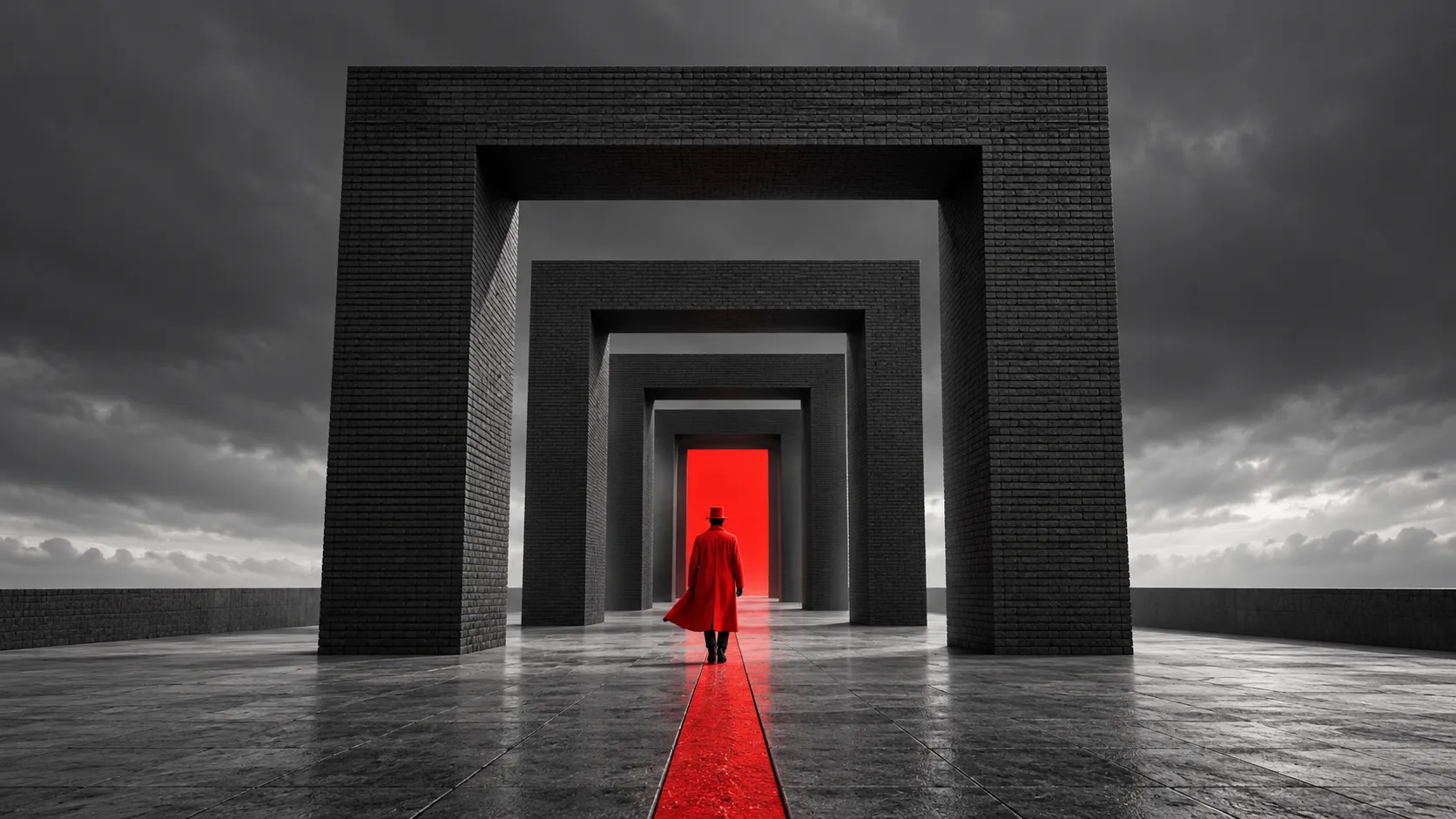
Some ideas go further and grow stronger once they leave reality behind: a product suspended in an impossible space, a material turning into architecture, a brand symbol becoming a place. Such images may still rely on convincing materials and light while the world itself stops being literal. Believable does not have to mean ordinary.
Stylisation belongs here too, although it is sometimes treated as an easier or lesser kind of CGI. I think that misses the point. When reality is no longer the reference, someone has to define the rules: how simple the geometry becomes, how materials react, how exaggerated the light feels, how much detail survives, where the line between graphic and physical sits. A stylised world needs coherence just as much, and often stronger direction, because its rules are designed rather than inherited. Where that freedom can lead, with CGI shaping the idea rather than only rendering it, is the argument of CGI Is No Longer Just Production.
Brand character should shape the realism
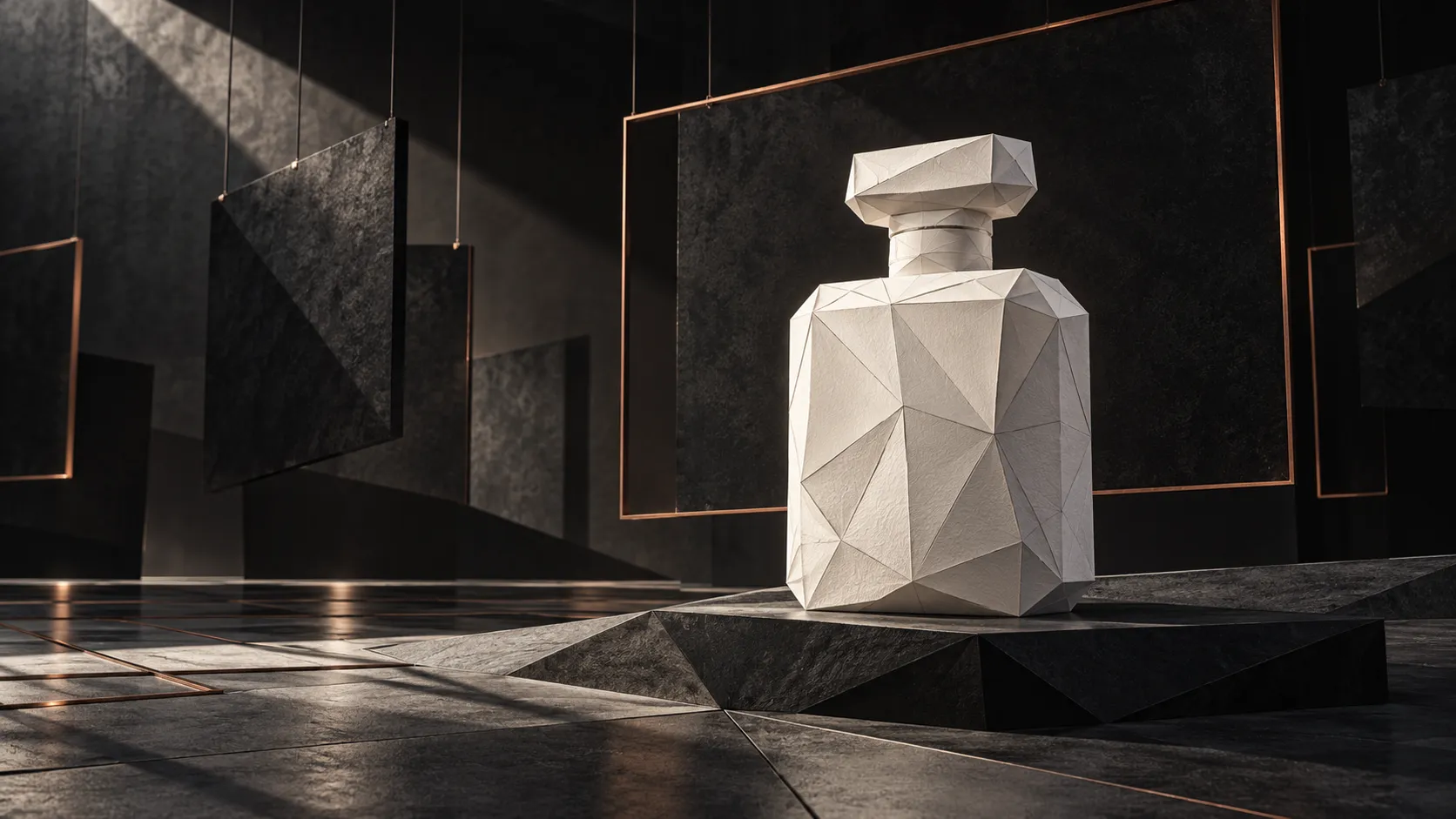
Not every brand should live in the same version of reality. A luxury brand may benefit from restraint, controlled reflections, a slower rhythm and carefully managed imperfection. A performance brand may need harder contrast, sharper perspective and stronger tension. A technology brand may express precision through clean geometry and disciplined light; a lifestyle brand may need softness, warmth and more human irregularity. Four images can all be photoreal and still not all be right.
Character also decides what the image makes people feel, and that is where accuracy reaches its limit. Emotion comes from relationships: scale, light, colour, silence, the amount of space around an object, the speed at which something is revealed, the tension between what is shown and what is held back. A renderer can calculate how light interacts with a surface. It cannot decide what that interaction should make someone feel.
That is why I find “make it photorealistic” incomplete as a creative objective. It describes a level of credibility, not a character, and in brand communication character is usually the more important question.
The goal is not to hide the CGI
One of the most common compliments in CGI is “I thought it was real.” It means something: it recognises technical achievement. But it is not always the highest goal. Sometimes the better response is “I have never seen the product like that before”, or “That feels exactly like the brand”, or simply “That image stays with me.”
Those responses point beyond simulation. They suggest the image has an identity. The work does not need to advertise that it was made in CGI, but neither does CGI have to disappear by imitating photography perfectly. Its value can come from creating visual conditions that photography would not naturally produce.
This matters more as the tools improve. Rendering keeps getting faster and AI-assisted workflows are accelerating image generation. When polished images become easier for everyone to make, polish alone stops being distinctive. What becomes more valuable is judgement: concept, taste, restraint, brand understanding, and knowing when reality should be preserved and when it should be reshaped. The tools can reach realism faster. They cannot decide whether realism is the right answer.
So the better question is not how realistic an image can be made, but what level of realism best serves what it is trying to communicate. The medium is strongest when technical credibility becomes invisible and visual intention becomes visible. At that point photorealism has done its job: it has stopped being the message.
Takeaway
Photorealism remains an essential skill. Understanding how light behaves, how materials respond and how scale affects perception is part of any serious CGI practice, and without it many images lose credibility before their idea has a chance to work. But realism should not be where judgement stops.
For me, the answer is to put realism in the right place. Sometimes that means staying completely faithful to the physical world, sometimes carefully improving it, and sometimes leaving it behind. The technical work creates belief; art direction decides what to do with that belief. The goal is not always to make the viewer believe an image could exist. It is to make them care that they saw it.
Photorealism can convince the eye. Art direction has to convince the mind.
Mustafa WerekiaArt Director & 3D Generalist based in Dubai, working internationally across visual direction, CGI, motion and brand systems. About the practice.